by HOS | Aug 13, 2026 | Uncategorized
For anyone beginning to explore American whiskey, understanding the differences between styles, flavors, and aging methods can make the experience much more enjoyable. Bourbon Whiskey has a distinctive identity, shaped by specific production requirements, carefully selected grains, charred oak barrels, and time. While every bottle can offer something different, learning the basics makes it easier to understand what is in the glass and why it tastes the way it does. If you want the bigger picture first, our complete guide to whisky types breaks down every major style, from bourbon to scotch to rye.
What Makes Bourbon Different?
Bourbon is an American whiskey with a defined set of production standards. To qualify as bourbon, the spirit must be made in the United States and produced from a grain mixture containing at least 51% corn.
It must also be aged in new, charred oak containers. The spirit enters the barrel at no more than 125 proof and is bottled at a minimum of 80 proof.
These requirements create a recognizable foundation, but they do not make every bottle taste the same. Producers can change the grain mixture, barrel location, aging period, proof, and production techniques to create different profiles.
The Importance of the Mash Bill
The mash bill is the recipe of grains used to make the whiskey.
Corn is always the dominant grain in bourbon, but producers typically combine it with other grains such as rye, wheat, and malted barley.
High-Rye Bourbon
A higher percentage of rye can contribute spicy, peppery, herbal, or slightly dry characteristics. These expressions are often appealing to drinkers who prefer a more energetic flavor profile.
Wheated Bourbon
Wheated bourbon replaces rye with wheat as the secondary grain. Wheat can produce a softer and rounder character, often accompanied by sweet, smooth flavors.
Traditional Bourbon
Traditional recipes commonly use corn alongside rye and malted barley. Depending on the producer and proportions, these bourbons can balance sweetness with spice.
The mash bill is therefore one of the first details worth considering when choosing a bottle.
Understanding Bourbon Flavors
Flavor is one of the most enjoyable parts of exploring whiskey. Because bourbon relies heavily on corn and new charred oak, sweetness and oak-derived notes are common.
You may encounter flavors such as:
- Vanilla
- Caramel
- Brown sugar
- Toasted oak
- Baking spices
- Dried fruit
- Nuts
- Chocolate
- Citrus
- Pepper
- Leather
However, no two bottles necessarily taste identical. The grain combination, barrel characteristics, warehouse conditions, age, and proof can all influence the final profile.
Where Do the Flavors Come From?
The ingredients provide the foundation, but the barrel plays an enormous role.
New charred oak can contribute compounds associated with vanilla, caramel, toast, spice, and other flavors. During aging, the whiskey interacts with the wood as it moves in and out of the barrel due to changes in temperature.
This interaction gradually develops the spirit.
The length of aging matters, but older does not automatically mean better. Some whiskeys reach an appealing balance relatively early, while others benefit from additional time in oak.
Why Aging Matters
Aging is one of the defining characteristics of American whiskey production.
When freshly distilled spirit enters a new charred oak barrel, it is relatively intense and unfinished. Over time, the interaction between spirit and wood changes its aroma, flavor, color, and texture.
As the whiskey matures, it can become more rounded and complex. Oak influence may become increasingly noticeable, while certain sharper characteristics can soften.
However, aging involves balance. Too little oak influence may leave a whiskey tasting young or aggressive, while excessive oak can dominate the underlying spirit.
Does Older Mean Better?
Age statements can attract attention, but they should not be treated as a simple quality ranking.
A 12-year-old bottle is not automatically superior to a well-made 6-year-old expression. The ideal aging period depends on factors including barrel conditions, warehouse environment, and the producer’s goals.
Longer aging generally means more time for interaction with oak, but more oak is not always desirable.
For beginners, it can be useful to taste bottles from different age ranges and compare how their flavors and textures change.
What Is Barrel Proof?
Proof refers to the alcohol strength of a whiskey.
Most bottles are diluted with water before bottling to reach a desired proof. Barrel-proof or cask-strength expressions are generally bottled with little or no dilution after maturation. Higher-proof whiskey can deliver stronger flavors and a more intense mouthfeel. It can also be diluted with a small amount of water to explore how the aroma and flavor change.
When trying Bourbon Whiskey at higher proof, beginners may want to start with smaller pours and experiment gradually.
Straight Bourbon and Other Labels
Understanding common terminology makes whiskey shopping easier.
Straight Bourbon
Straight bourbon generally refers to bourbon aged for at least two years and meeting the applicable production requirements.
Bottled in Bond
Bottled-in-bond bourbon follows specific requirements involving production, aging, proof, and labeling. Among other requirements, it must be aged for at least four years and bottled at 100 proof.
Small Batch
“Small batch” is commonly used by producers to describe a selected quantity of barrels. However, there is no single universal legal definition that establishes exactly how many barrels constitute a small batch.
Single Barrel
A single-barrel expression comes from one barrel rather than being blended from multiple barrels. This can make individual bottles more distinctive because barrel characteristics can vary.
How to Taste Bourbon
Tasting does not require complicated equipment.
Start by pouring a small amount into a suitable glass. Observe the color, then smell the whiskey before tasting it.
Take a small sip and allow it to move across your palate.
Pay attention to:
- Aroma: What do you smell first?
- Entry: What flavors appear immediately?
- Texture: Is it light, rich, oily, or dry?
- Development: Does the flavor change?
- Finish: How long do the flavors remain?
Adding a few drops of water can also reveal different aromas and soften the alcohol sensation.
Choosing Your First Bottle
There is no single best bottle for every drinker.
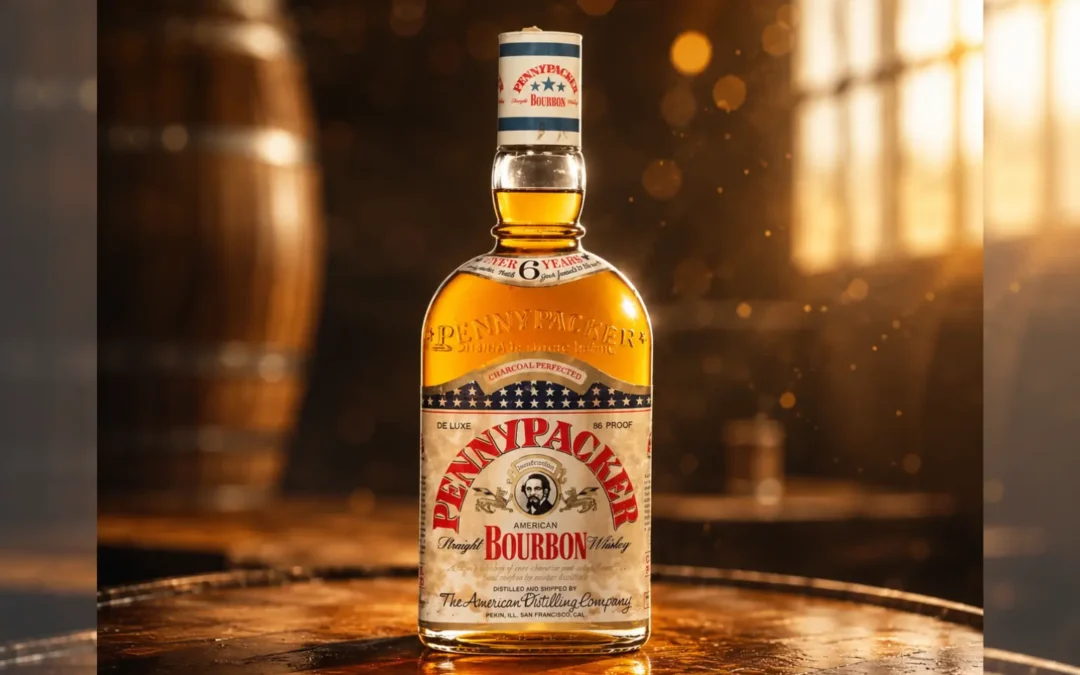
If you enjoy sweeter flavors, a wheated expression may be worth exploring. If you prefer spice, a high-rye recipe could be more appealing. Proof is another consideration. Lower-proof bottles can be approachable for beginners, while higher-proof expressions may offer greater intensity. Penny Packer Bourbon Whiskey, bottled at 80 proof, is a solid example of an easy-sipping bottle for newcomers who want approachability without sacrificing character.
Price should not be the only guide. A moderately priced bottle can provide an excellent introduction to the category.
How to Store Bourbon
Once bottled, whiskey does not mature in the same way it does inside a barrel.
Keep bottles upright rather than laying them horizontally. Store them away from direct sunlight and extreme temperature changes. If a bottle is nearly empty, prolonged exposure to air can gradually affect its character. For special bottles, transferring the remaining whiskey into a smaller sealed bottle can reduce the amount of air inside.
Proper storage helps preserve the spirit’s existing qualities.
Bourbon and Food Pairings
The rich flavors found in bourbon can work well with a variety of foods.
Sweet and oak-forward expressions can complement desserts containing chocolate, caramel, or nuts. Spicier expressions can work nicely with grilled meats, smoked foods, or dishes containing warming spices. Cheese can also create interesting combinations, particularly stronger or aged varieties.
Pairing is ultimately about balance. The food and whiskey should complement rather than overpower one another.
Building Your Knowledge
Learning about Bourbon Whiskey becomes easier through comparison.
Instead of trying many unrelated bottles, compare expressions based on one characteristic at a time. Try a traditional mash bill beside a wheated bourbon. Compare different proof levels. Taste younger and older expressions.
Keep simple tasting notes. Record aromas, flavors, proof, age, and your overall impression.
Over time, patterns will emerge, making it easier to identify your personal preferences.
Common Beginner Mistakes
New drinkers sometimes assume expensive bottles are automatically better. Others focus heavily on age statements or proof without considering the overall flavor profile.
Another common mistake is drinking too quickly.
Whiskey is designed to be explored. A small pour, slower tasting, and occasional water can reveal much more than simply taking a large sip.
Most importantly, avoid treating someone else’s favorite style as a rule for your own preferences.
Exploring Bourbon With Confidence
There is a lot to discover, but learning the fundamentals provides a strong starting point. The grain recipe influences the foundation, barrels shape much of the flavor, and aging helps develop complexity.
Bourbon Whiskey can range from soft and sweet to spicy, rich, fruity, woody, or intensely robust. That variety is part of what makes the category so interesting.
The best approach is to remain curious. Taste different styles, compare bottles, learn the terminology, and pay attention to what you actually enjoy.
Ultimately, understanding bourbon is less about memorizing rules and more about developing your palate. Once you understand how mash bills, barrels, aging, proof, and production choices influence the spirit, every tasting becomes an opportunity to learn something new.

by HOS | Aug 12, 2026 | Uncategorized
There’s no single “correct” way to drink Irish Whiskey. Neat reveals its true character, on the rocks softens it for easy sipping, and cocktails highlight its smooth, mixable nature. The best method depends on the whiskey’s quality, your mood, and the occasion.
Most people default to habit — always neat, always with ice, always in a cocktail — without ever asking whether that method is actually doing their glass any favors. This spirit rewards a little curiosity, and understanding the “why” behind each serving style can turn an average pour into a genuinely memorable one. Here’s how to figure out what works, and why it works.
Does Serving Style Actually Change the Flavor?
Yes — significantly. Whiskey isn’t a fixed, unchanging liquid; the moment it leaves the bottle, temperature, dilution, and exposure to air all begin reshaping it in real time:
- Cold mutes aroma and sharpens texture, hiding some subtler notes
- Room temperature opens up aroma and complexity, letting hidden layers emerge
- A few drops of water can unlock hidden vanilla, honey, or fruit notes
- Melting ice softens alcohol heat but also dilutes flavor gradually over time
Two people drinking the exact same bottle can walk away with completely different impressions of it, simply based on which of these variables they controlled — and which they left to chance.
What Does Drinking Irish Whiskey Neat Reveal?
Drinking it neat — no ice, no mixer, at room temperature — is the most honest way to taste it. Nothing is hidden and nothing is softened.
Best for:
- Evaluating a bottle’s true quality
- Smoother, triple-distilled expressions
- Slow, focused sipping rather than casual drinking
If a bottle holds up neat, that’s usually a strong signal of craftsmanship. Premium bottles are typically distilled with this exact test in mind — the goal is a spirit smooth enough that dilution isn’t necessary to make it enjoyable. That’s also why neat pours are the preferred method for tastings and reviews: nothing is added or subtracted, so what you taste is exactly what the distiller intended.
Why Do So Many Drinkers Prefer Whiskey on the Rocks?
Ice does two things simultaneously: it chills the Irish whiskey and gradually dilutes it as it melts. That combination smooths out sharper, younger expressions and makes them easier to drink over a longer period.
One detail most people miss: ice size matters.
- Small cubes melt fast, watering down the pour too quickly
- Large-format cubes or spheres chill slowly, giving a more controlled flavor curve
For casual or first-time drinkers, on the rocks is often the smartest starting point. It eases the intensity without masking the identity of the whiskey underneath, making it a comfortable middle ground between full-strength neat pours and heavily mixed cocktails.
Is It Disrespectful to Mix Irish Whiskey Into a Cocktail?
No — and the idea that it is misunderstands the spirit’s own history. It has a long-standing role behind the bar, not just in a standalone glass.
Its lighter, smoother profile — especially compared to peatier Scotch or heavier bourbon — makes it one of the most cocktail-friendly whiskeys available. It blends rather than overwhelms.
Cocktails worth trying:
- Irish Coffee — the classic, elevated when made properly
- Whiskey Sour — citrus and sweetness balance the spirit’s warmth
- Irish Mule — a spicier twist on the traditional Moscow Mule
A good cocktail doesn’t mask a poor bottle — it complements a good one. Bartenders often reach for this whiskey specifically because it plays well with other ingredients without disappearing into them, which is a rarer quality among whiskeys than most people realize.
Which Method Is Best for Irish Whiskey — Neat, Rocks, or Cocktail?
There’s no universal winner. The right approach depends on your goal for that specific pour:
| Goal | Best Method |
| Judge a bottle’s true character | Neat |
| Relax over a slow evening | On the rocks |
| Impress guests or unwind creatively | Cocktail |
Experienced drinkers rarely commit to just one style. They adjust based on the bottle, the season, and the moment.
Does the “Right Way” to Drink It Change Over Time?
Yes, and that’s normal. Even seasoned drinkers shift preferences depending on mood and season — an Irish Mule on a summer evening, a neat pour on a quiet Sunday night. There’s no prestige in drinking it “the hard way.” The only real win is enjoying the glass in front of you.
Frequently Asked Questions
Is it better neat or with ice?
Neither is objectively better. Neat shows the whiskey’s full character; ice softens it for easier, longer sipping. The right choice depends on the bottle’s quality and your personal taste.
Does it mix well in cocktails?
Yes. Its smooth, light profile makes it especially cocktail-friendly compared to smokier or heavier whiskey styles.
What size ice cube is best?
Larger cubes or spheres are preferred. They melt slowly, chilling the Irish whiskey without diluting it too quickly.
Should beginners drink it neat?
Not necessarily. On the rocks is often a gentler starting point, easing new drinkers into the spirit before trying it neat.
Also read our complete whisky types to know more about whiskies
A Small Habit Worth Building
Try this next tasting session: pour the same bottle three ways — neat, on the rocks, and in a simple cocktail — side by side. Most drinkers are shocked at how different one bottle can taste across all three. It’s the fastest way to discover your real preference, rather than the one you inherited from habit.
The Bottom Line
There is no single correct way to enjoy Irish Whiskey. Each method — neat, on the rocks, or in a cocktail — reveals a different side of the spirit. The smartest approach isn’t picking one and sticking with it forever; it’s matching the method to the moment, the bottle, and what you actually want out of the glass.
Next time you pour a glass, resist the urge to default to habit. Ask what you’re actually after — clarity, comfort, or creativity — and let that decide how it ends up in your glass.
Ready to buy? Explore our Irish Whiskey collection and find the bottle that suits your preferred way to enjoy it.
by HOS | Jul 24, 2026 | Uncategorized
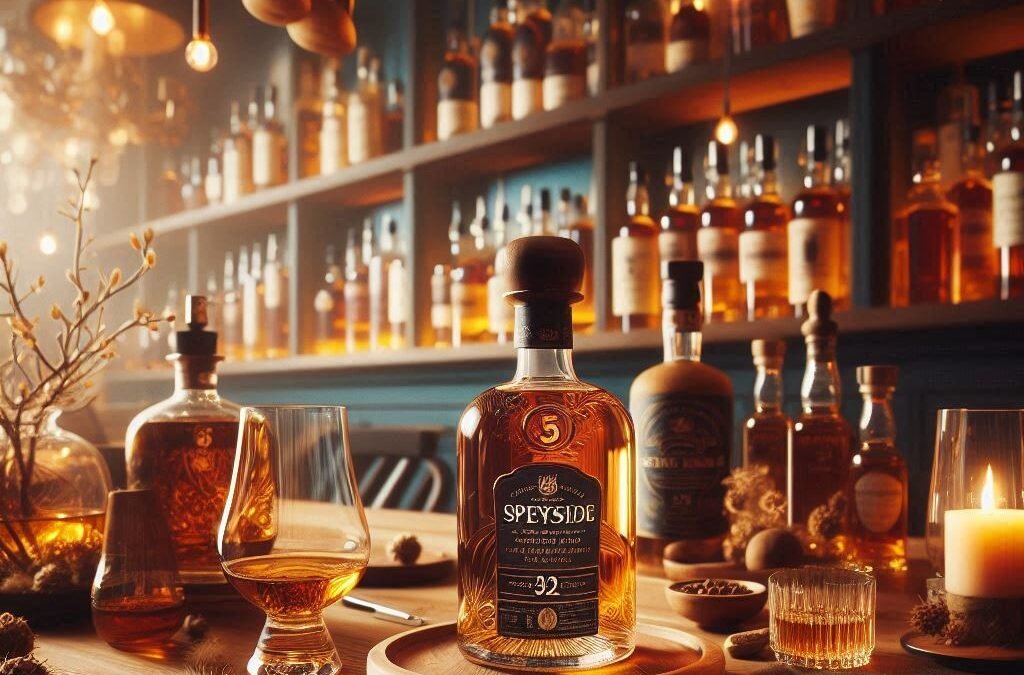
Speyside Whisky is a style of Scotch whisky produced in Scotland’s Speyside region, known for its smooth, approachable, and often fruity flavor profile. It is an excellent choice for first-time whisky drinkers because it typically offers notes of apple, pear, honey, vanilla, and gentle spice rather than heavy smoke or peat.
Key Takeaways
- Speyside is Scotland’s most famous whisky-producing region.
- It is generally smooth, fruity, and easy to enjoy.
- It is ideal for beginners due to its balanced flavor profile.
- Many world-renowned single malt whiskies come from Speyside.
- Proper tasting techniques can enhance your whisky experience.
Introduction
For anyone beginning their whisky journey, choosing the right bottle can feel overwhelming. With countless styles, regions, and tasting notes to explore, it’s easy to wonder where to start. That’s where Speyside Whisky stands out. Widely recognized for its elegant character and approachable flavors, it has become a favorite recommendation for newcomers and experienced enthusiasts alike.
This guide explains what makes it unique, how it differs from other Scotch regions, what flavors you can expect, and how to enjoy it like a beginner with confidence.
Table of Contents
- What Is Speyside Whisky?
- Where Is Speyside?
- What Makes Speyside Whisky Unique?
- Common Flavor Profiles
- How Is Speyside Whisky Made?
- Why Beginners Love Speyside Whisky
- How to Taste Speyside Whisky
- Choosing Your First Bottle
- Food Pairings
- Common Mistakes Beginners Make
- Frequently Asked Questions
- Conclusion
What Is Speyside Whisky?
It is Scotch whisky distilled in Scotland’s Speyside region, an area famous for producing smooth, flavorful single malts with fruity, floral, and sweet characteristics.
Speyside is located around the River Spey in northeastern Scotland. Despite being one of Scotland’s smaller whisky regions geographically, it is home to more than half of the country’s whisky distilleries. The region has earned an international reputation for producing refined whiskies that appeal to a wide range of palates.
Where Is Speyside?
Speyside is located in the Moray area of northeastern Scotland, surrounding the River Spey.
The region’s pure water sources, favorable climate, and long tradition of whisky production contribute significantly to the quality of its spirits. Many of Scotland’s most respected distilleries are found here, making Speyside a popular destination for whisky tourism.
What Makes Speyside Whisky Unique?
It is known for its smooth, sweet, and fruit-forward character with very little peat smoke compared to many other Scotch whiskies.
Several factors contribute to its distinctive style:
- High-quality spring water
- Traditional copper pot stills
- Carefully selected oak casks
- Skilled maturation techniques
- Generations of whisky-making expertise
Unlike heavily peated whiskies, Speyside expressions focus on balance and complexity without overwhelming the palate.
Common Flavor Profiles
Most Speyside Whisky offers a combination of fruit, honey, vanilla, caramel, floral notes, and gentle spice.
Some of the most common tasting notes include:
| Flavor Category | Typical Notes |
| Fruits | Apple, pear, apricot, citrus |
| Sweet | Honey, vanilla, caramel |
| Floral | Heather, blossoms |
| Nutty | Almonds, hazelnuts |
| Oak | Light spice, toasted wood |
| Dried Fruit | Raisins, figs |
Every distillery has its own style, but these flavors are commonly associated with the region.
How Is Speyside Whisky Made?
Speyside Whisky follows the traditional Scotch whisky-making process using malted barley, fermentation, distillation, and years of maturation in oak casks.
The process generally includes:
- Malting the barley
- Mashing and extracting sugars
- Fermentation
- Double distillation in copper stills
- Aging in oak barrels
- Bottling after quality checks
The choice of cask—whether ex-bourbon, sherry, or another type, plays a major role in shaping the whisky’s final flavor.
Why Beginners Love Speyside Whisky
Speyside Whisky is often recommended to beginners because it is approachable, balanced, and rarely dominated by smoky flavors.
Some reasons include:
- Smooth finish
- Pleasant sweetness
- Easy-to-recognize fruit flavors
- Gentle introduction to Scotch whisky
- Wide variety of styles and price points
Many first-time drinkers appreciate that Speyside whiskies allow them to explore different flavors without the intensity found in some other Scotch regions.
How to Taste Speyside Whisky
Take small sips, notice the aroma first, and allow the whisky to rest on your palate before swallowing.
Follow these simple steps:
- Pour a small amount into a whisky glass.
- Observe the color.
- Smell the aroma gently.
- Take a small sip.
- Let it coat your tongue.
- Notice the finish.
- Add a few drops of water if desired.
Avoid rushing the tasting process. Spending a little time with each sip helps reveal layers of flavor.
Choosing Your First Bottle
Look for a Speyside Whisky with a balanced flavor profile, moderate alcohol strength, and positive beginner reviews.
When selecting your first bottle, consider:
- Age statement
- Price
- Cask type
- Alcohol percentage
- Flavor descriptions
- Personal taste preferences
A good beginner bottle doesn’t have to be expensive. Many entry-level Speyside whiskies offer outstanding quality and value. To start your journey, you can explore our Speyside Whisky treasure, which will help you find what would be suitable for you.
Food Pairings
Speyside Whisky pairs well with mild cheeses, roasted nuts, dark chocolate, smoked salmon, grilled chicken, and fruit-based desserts.
Popular pairings include:
- Brie or Gouda cheese
- Salted almonds
- Apple tart
- Vanilla cheesecake
- Dark chocolate
- Honey-glazed ham
The whisky’s naturally sweet and fruity profile complements a wide variety of foods.
Common Mistakes Beginners Make
Many newcomers can improve their experience by avoiding these common mistakes:
- Drinking too quickly
- Adding too much ice
- Ignoring the aroma
- Expecting every whisky to taste the same
- Choosing only based on price
- Comparing every whisky to smoky Scotch
Whisky appreciation develops over time, so exploring different expressions can help you discover your personal preferences.
Frequently Asked Questions
Is Speyside Whisky good for beginners?
Yes. Its smooth, fruity, and balanced character makes it one of the best Scotch whisky styles for first-time drinkers.
Is Speyside Whisky always sweet?
Many Speyside whiskies have naturally sweet notes like honey, vanilla, or caramel, but each distillery produces its own unique flavor profile.
Can I drink Speyside Whisky with ice?
Yes. While many enthusiasts prefer it neat or with a few drops of water, adding a small amount of ice is a matter of personal preference.
What glass should I use?
A tulip-shaped whisky glass helps concentrate aromas, making it easier to appreciate the whisky’s character.
Does older whisky always taste better?
Not necessarily. Age influences flavor, but cask selection, production methods, and personal preference are equally important.
Expert Tips for First-Time Drinkers
- Start with lighter expressions before exploring stronger flavors.
- Keep tasting notes to remember what you enjoy.
- Experiment with a few drops of water.
- Compare different Speyside whiskies side by side.
- Take your time and enjoy the experience rather than rushing through a glass.
Go through our Scotch Whisky Guide for deeper knowledge in case you feel like you are missing something. This guide will take you to the roots and make you understand every little detail you might need.
Conclusion
Speyside Whisky offers an ideal introduction to the world of Scotch. Its smooth texture, fruity aromas, gentle sweetness, and refined complexity make it accessible for first-time drinkers while remaining interesting enough for experienced enthusiasts. Whether you’re learning to identify tasting notes, choosing your first bottle, or pairing whisky with food, Speyside provides countless opportunities to explore and develop your palate. By starting with this beginner-friendly style and tasting thoughtfully, you’ll gain a deeper appreciation for one of Scotland’s most celebrated whisky traditions.
by HOS | Jul 17, 2026 | Uncategorized
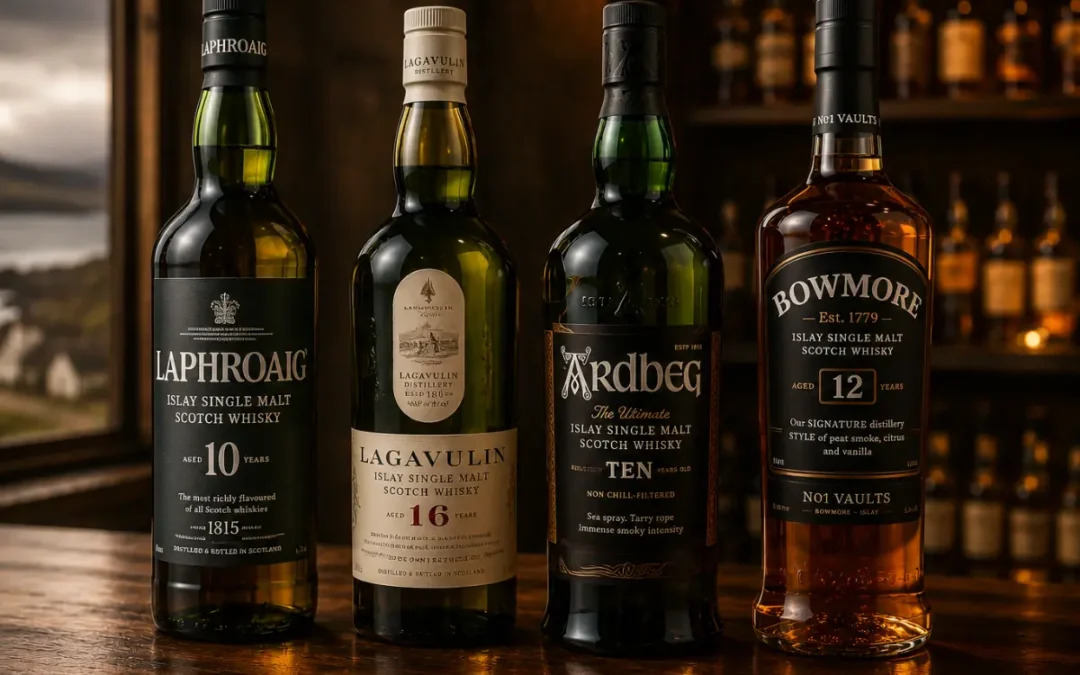
Scotland is home to some of the world’s most celebrated whiskies, and among them, Islay Whisky holds a special place. Produced on the island of Islay off Scotland’s west coast, this style of whisky is renowned for its bold character, smoky aroma, and rich heritage. While it may not be the first choice for every beginner, it has earned a loyal following among whisky enthusiasts who appreciate its distinctive personality.
Whether you’re exploring Scotch for the first time or looking to expand your knowledge, understanding the history, flavor, and reputation of Islay whisky offers valuable insight into one of Scotland’s most iconic spirits. If you’re just getting started, our complete Scotch whisky guide covers everything you need to know before you buy.
What Is Islay Whisky?
Islay is one of Scotland’s whisky-producing regions and is famous for creating whiskies with strong peat smoke and maritime influences. The island’s rugged coastline, cool climate, and centuries-old distilling traditions all contribute to the unique characteristics found in every bottle.
Although each distillery has its own production methods, many share common flavor notes that have become closely associated with the region. Islay Whisky is often recognized by its smoky aroma, earthy richness, and subtle hints of sea salt, making it unlike any other Scotch style.
A Rich History Rooted in Tradition
Whisky production on Islay dates back hundreds of years. Early distilling was often carried out on a small scale, with local families producing spirits using traditional techniques passed down through generations.
As legal distilleries became established during the 18th and 19th centuries, Islay developed a reputation for producing exceptional Scotch whisky. The island’s abundant peat bogs provided a natural fuel source for drying malted barley, creating the smoky flavors that remain a defining characteristic today.
Many of the distilleries operating on Islay have preserved traditional methods while embracing modern innovations, allowing them to maintain their heritage while meeting global demand.
What Does It Taste Like?
One of the most exciting aspects is its bold and memorable flavor profile.
Common tasting notes include:
- Peat smoke
- Sea salt
- Earthy aromas
- Black pepper
- Citrus zest
- Vanilla
- Honey
- Oak spice
- Dark chocolate
- Dried fruit
Not every bottle tastes the same. Some expressions focus heavily on smoke and medicinal notes, while others offer a gentler balance of sweetness, fruit, and spice.
This variety allows drinkers to discover different styles while still experiencing the unmistakable coastal influence that defines the region.
Why Is It So Smoky?
The signature smoky character comes from peat.
Peat is partially decomposed vegetation harvested from bogs. During the malting process, barley is dried over peat fires, allowing smoke to infuse the grain with distinctive aromas and flavors.
The amount of peat smoke varies between distilleries, meaning some whiskies are intensely smoky while others offer a lighter touch.
This traditional production method has become one of the defining features of Islay Whisky, making it instantly recognizable among Scotch lovers.
When Is It Usually Enjoyed?
It is incredibly versatile despite its bold reputation.
Many people enjoy it during quiet evenings as a slow sipping whisky, allowing time to appreciate its layered aromas and evolving flavors.
It is also popular during whisky tastings, special celebrations, and gatherings where enthusiasts compare expressions from different distilleries.
Its rich character makes it especially appealing during colder months, though many whisky drinkers enjoy it year-round.
Some enthusiasts even pair it with premium cigars or enjoy it alongside carefully selected foods to enhance the tasting experience.
Popular Food Pairings
The bold flavors pair well with equally flavorful foods.
Some excellent choices include:
- Smoked salmon
- Grilled steak
- Aged cheddar
- Blue cheese
- Dark chocolate
- Roasted lamb
- Oysters
- Charcuterie boards
The combination of smoky, salty, sweet, and savory flavors often creates a balanced tasting experience.
Why It Has Become World Famous
Several factors have contributed to the global popularity.
Its distinctive flavor immediately sets it apart from many other Scotch regions. While Speyside whiskies often emphasize sweetness and Highland whiskies showcase balance, Islay expressions are celebrated for their bold, smoky personality.
The region’s long history also adds to its appeal. Many distilleries have been producing whisky for generations, preserving traditional craftsmanship while maintaining high quality standards.
International whisky competitions, growing tourism, and increasing appreciation for premium spirits have further strengthened the island’s reputation around the world.
As more consumers seek authentic and distinctive products, Islay Whisky continues to stand out as one of Scotland’s most recognizable whisky styles.
Tips for First-Time Drinkers
If you’re trying Islay for the first time, begin with an open mind.
Take time to smell the whisky before tasting it. Notice the smoke, fruit, spice, or coastal aromas that emerge from the glass.
Sip slowly rather than drinking quickly. Allow the flavors to develop across your palate.
Adding a few drops of water can soften stronger expressions and reveal hidden notes that may not be immediately noticeable.
Trying several expressions from different distilleries is also an excellent way to appreciate the diversity found within the region. Browse our full range of Islay whisky to find the perfect bottle to start your journey.
Final Thoughts
For whisky enthusiasts seeking bold flavors and rich tradition, Islay Whisky offers an unforgettable experience. Its centuries-old history, peat-fired production methods, distinctive coastal character, and remarkable craftsmanship have earned it worldwide recognition. Whether enjoyed on its own, paired with food, or explored through guided tastings, every bottle tells the story of Scotland’s iconic island and the people who have perfected the art of whisky making for generations. For anyone interested in discovering one of the world’s most celebrated Scotch styles, it is a journey well worth taking.

by HOS | Jul 17, 2026 | Uncategorized
Buying a bottle of whisky can feel overwhelming, especially with so many regions, flavor profiles, and distilleries to choose from. If you’re looking for something that offers character, complexity, and a connection to Scotland’s rugged coastline, Island Whisky is an excellent place to start. Known for its maritime influence and diverse range of flavors, it has become a favorite among both newcomers and seasoned whisky enthusiasts. If you’re new to whisky altogether, start with our complete Scotch whisky guide for expert buying tips.
Whether you’re shopping for yourself or searching for a thoughtful gift, understanding what makes this style unique will help you choose a bottle you’ll truly enjoy. Here’s everything you need to know before making your purchase.
What Is Island Whisky?
Although the Islands are not officially recognized as a separate Scotch whisky region by every authority, the term is widely used to describe whiskies produced on Scotland’s islands outside of Islay. These islands include Skye, Orkney, Mull, Arran, Jura, Raasay, and several others.
Each island has its own landscape, climate, and distilling traditions, resulting in whiskies with distinct personalities. Some are lightly smoky, while others are fruity, spicy, or rich with coastal notes.
Because every island offers something different, exploring whiskies from this category can be an exciting journey for any whisky lover.
Why It Stands Out
One reason Island Whisky continues to attract attention is its remarkable diversity. Unlike regions with a more consistent style, the islands produce whiskies that vary significantly from one distillery to another.
Some bottles feature gentle peat smoke balanced with honey and vanilla, while others deliver bold pepper, sea salt, dried fruit, or oak spice. Coastal maturation also contributes subtle maritime characteristics that many drinkers find distinctive.
This variety means there is no single “Island style.” Instead, each bottle tells the story of its island, climate, and craftsmanship.
Understand the Flavor Profiles
Knowing your preferred flavors makes choosing a bottle much easier.
If you enjoy sweeter spirits, look for whiskies with notes of caramel, toffee, baked apples, vanilla, or honey.
If you prefer bolder expressions, consider bottles with hints of black pepper, oak spice, smoke, leather, or dark chocolate.
Many island whiskies also showcase flavors such as:
- Citrus zest
- Heather honey
- Sea salt
- Malted barley
- Dried fruits
- Light peat smoke
- Toasted nuts
- Warm baking spices
Reading tasting notes before buying can help you narrow your options.
Peated or Unpeated?
One common misconception is that every island variant is heavily peated.
In reality, peat levels vary considerably. Some distilleries produce rich smoky expressions, while others focus on clean, fruity, or creamy styles with little to no smoke.
If you’re new to Island whisky, a lightly peated bottle may provide an easier introduction. Experienced drinkers who enjoy smoky flavors can explore more robust expressions without assuming every variant tastes the same.
Consider the Age Statement
Age statements often influence buying decisions, but older doesn’t always mean better.
A whisky aged for 10 or 12 years may offer exceptional balance and freshness, while an 18-year-old expression might provide deeper oak influence and greater complexity.
Focus on the overall style rather than choosing solely based on age. Distillery character, cask selection, and production methods all contribute significantly to the final flavor.
Learn About Cask Maturation
The cask plays a major role in shaping whisky.
Common cask types include:
- American oak bourbon barrels
- European oak sherry casks
- Port casks
- Wine casks
- Rum casks
Each type adds different characteristics.
Bourbon casks often contribute vanilla, caramel, and coconut notes.
Sherry casks typically add dried fruits, raisins, spice, and rich sweetness.
Wine and rum casks introduce unique layers that can make a whisky even more distinctive.
Understanding cask influence helps you select a bottle that matches your taste preferences.
Check the Alcohol Strength
Not every bottle has the same alcohol content.
Standard bottlings are usually around 40–46% ABV, making them approachable for most drinkers.
Cask-strength whiskies often exceed 55% ABV and deliver more concentrated flavors. While they can be incredibly rewarding, they may be better suited for experienced whisky enthusiasts.
Adding a few drops of water can reveal additional aromas and soften stronger expressions.
Think About Your Experience Level
Your familiarity with Island whisky should guide your purchase.
Beginners often appreciate approachable whiskies with balanced sweetness, gentle spice, and light coastal influence.
Intermediate drinkers may enjoy exploring more complex expressions with layered flavors.
Experienced enthusiasts often seek limited releases, single casks, or higher-proof bottlings that showcase unique production methods.
Buying according to your experience ensures a more enjoyable tasting experience.
Set a Realistic Budget
Excellent whisky exists across many price ranges.
Entry-level bottles offer outstanding quality without requiring a large investment.
Mid-range expressions often provide additional complexity and premium cask maturation.
Higher-priced releases may feature longer aging, limited availability, or collectible value, but price alone does not guarantee you’ll enjoy the whisky more.
Choose a bottle that fits both your budget and your taste preferences.
Read Reviews Carefully
Expert reviews can provide valuable insights, but remember that taste is highly personal.
One reviewer may love bold smoke, while another prefers delicate fruit flavors.
Instead of focusing solely on ratings, pay attention to tasting notes and descriptions. These details are usually more helpful when determining whether a whisky matches your palate.
Over time, you’ll discover which flavor profiles consistently appeal to you.
Buy from Trusted Retailers
Purchasing from reputable retailers helps ensure authenticity and proper storage.
Reliable sellers also provide detailed product descriptions, age statements, cask information, and tasting notes that make comparing bottles much easier.
Avoid unusually low prices that seem too good to be true, particularly for rare or collectible releases. Browse our full range of Island whisky bottles to find your next favorite.
Experiment and Explore
One of the greatest pleasures of whisky is discovering new favorites.
Try expressions from different islands, compare various cask finishes, and revisit bottles after they’ve had time to breathe in the glass.
Keeping tasting notes can also help you identify patterns in the flavors you enjoy most.
Exploration is part of the experience, and every bottle offers an opportunity to learn something new.
Final Thoughts
Buying Island Whisky doesn’t have to be complicated. By understanding regional characteristics, flavor profiles, peat levels, cask maturation, age statements, and alcohol strength, you can make a confident choice that suits your personal taste.
Whether you’re beginning your whisky journey or expanding an established collection, it offers remarkable diversity and craftsmanship. From gentle coastal elegance to bold maritime character, every bottle reflects the heritage of Scotland’s island distilleries. Taking the time to research your options, explore different styles, and purchase from trusted retailers will help ensure every bottle delivers an enjoyable and memorable experience. With so many outstanding expressions available, Island Whisky remains one of the most rewarding categories for whisky lovers to discover.
by HOS | Jan 28, 2025 | New Release, Award-winning whiskies, Specials, Uncategorized, Whisky
When it comes to whisky, Scotland holds an esteemed position as the birthplace of some of the world’s most celebrated spirits. Among the distinct whisky-producing regions of Scotland, Islay stands out for its unique, bold, and smoky whiskies that have captivated the palates of enthusiasts across the globe. Let’s delve into the world of Islay Whisky, exploring its history, characteristics, distilleries, and why it holds a special place in the hearts of whisky connoisseurs.
A Glimpse into Islay’s Whisky Heritage
Islay is one of the five whisky-producing regions of Scotland, situated off the country’s west coast. This small island, covering just over 600 square kilometers, boasts a rich whisky-making tradition dating back hundreds of years. The island’s natural resources, peat, fresh water, and maritime climate, play a crucial role in defining the distinct character. Early distillers relied on these elements to craft robust spirits, laying the foundation for the iconic flavors we associate with Islay Whisky today.
What Makes Islay Whisky Unique?
It is renowned for its intense and smoky flavor profile. This characteristic smokiness comes from the use of peat, a dense, organic material formed from decomposed vegetation in the island’s bogs. Peat is used to dry the malted barley during the whisky-making process, infusing the grain with its signature earthy, smoky aroma.
Key Flavor Notes
While peat and smoke dominate the palate, Islay whiskies also exhibit a range of complementary flavors, including:
- Briny and Salty Notes: A nod to the island’s coastal environment, where the sea breeze imparts subtle saltiness.
- Medicinal and Herbal Undertones: Many Islay whiskies have hints of iodine, seaweed, and medicinal flavors.
- Sweet and Fruity Layers: Despite their robust nature, some Islay whiskies offer surprising sweetness, with notes of honey, citrus, and stone fruits.
The diversity within the category ensures that there’s an Islay whisky to suit every preference, from the smoke-lover to the whisky novice looking to explore something new.
The Legendary Distilleries of Islay
Islay is home to nine active distilleries, each contributing its own twist to the island’s whisky story. Here are some of the most notable names:
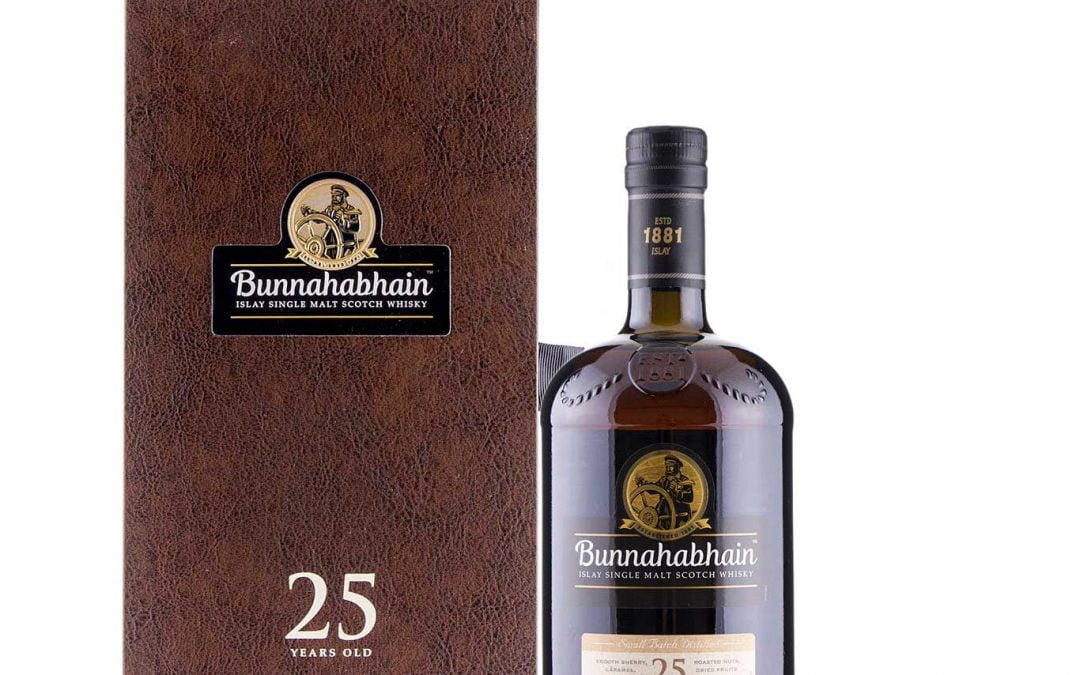
Lagavulin
Known for its rich, smoky character and velvety texture, Lagavulin is a favorite among whisky aficionados. The 16-year-old expression is particularly revered for its balance of peat, sweetness, and spice.
Laphroaig
One of Islay’s most iconic distilleries, Laphroaig produces bold whiskies with medicinal and briny notes. Its 10-year-old offering is a quintessential Islay experience.
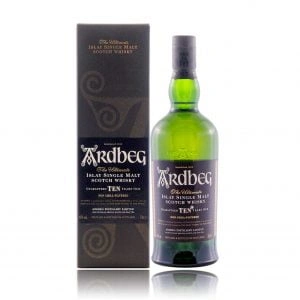
Ardbeg
Ardbeg is celebrated for its intense peatiness and complex flavors. Its whiskies often feature notes of dark chocolate, espresso, and spices, making it a treat for adventurous palates.
Bowmore
As the oldest distillery on Islay, Bowmore blends tradition with innovation. Its whiskies are slightly less peaty, showcasing a balance of smoke, citrus, and floral notes.
Bruichladdich
Known for its experimental approach, Bruichladdich produces a variety of styles, from unpeated to heavily peated whiskies. Its Port Charlotte and Octomore ranges are particularly sought after.
Caol Ila
This distillery offers a lighter, more approachable style, with a delicate balance of smoke, sweetness, and fresh fruit flavors.
Kilchoman
A newer addition to Islay’s whisky scene, Kilchoman is a farm distillery producing artisanal whiskies with a strong sense of place. Its commitment to traditional methods sets it apart.
Bunnahabhain
Bunnahabhain breaks the Islay mold with its focus on unpeated whiskies, offering a smoother, fruitier alternative while still embodying the island’s essence.
Ardnahoe
The newest distillery on Islay, Ardnahoe, combines traditional methods with modern techniques to create balanced, smoky whiskies.
Pairing with Food
Islay whiskies are more than just a drink; they’re an experience. Pairing them with food enhances their flavors and creates a harmonious culinary adventure. Here are some pairing suggestions:
- Smoked Meats: The smoky notes of Islay whisky complement smoked brisket, ribs, or salmon beautifully.
- Seafood: Oysters, scallops, and grilled fish highlight the briny, maritime qualities of the whisky.
- Cheese: Strong, aged cheeses like blue cheese or sharp cheddar balance the boldness of Islay whiskies.
- Dark Chocolate: Rich, bittersweet chocolate pairs well with the whisky’s smoky and sweet undertones.
Experimenting with pairings can help you discover new dimensions of Its complex flavors.
How to Enjoy Islay Whisky
The best way to enjoy this whisky depends on your personal preferences, but here are some tips to get you started:
- Neat
Sip the whisky neat to fully appreciate its aroma, flavor, and texture. - With Water
Adding a few drops of water can open up the whisky, softening the peat and revealing hidden layers of flavor. - In a Whisky Glass
A Glencairn glass or a tulip-shaped glass helps concentrate the whisky’s aromas, enhancing the tasting experience. - With Pairings
Try the whisky alongside food to create complementary flavor combinations.
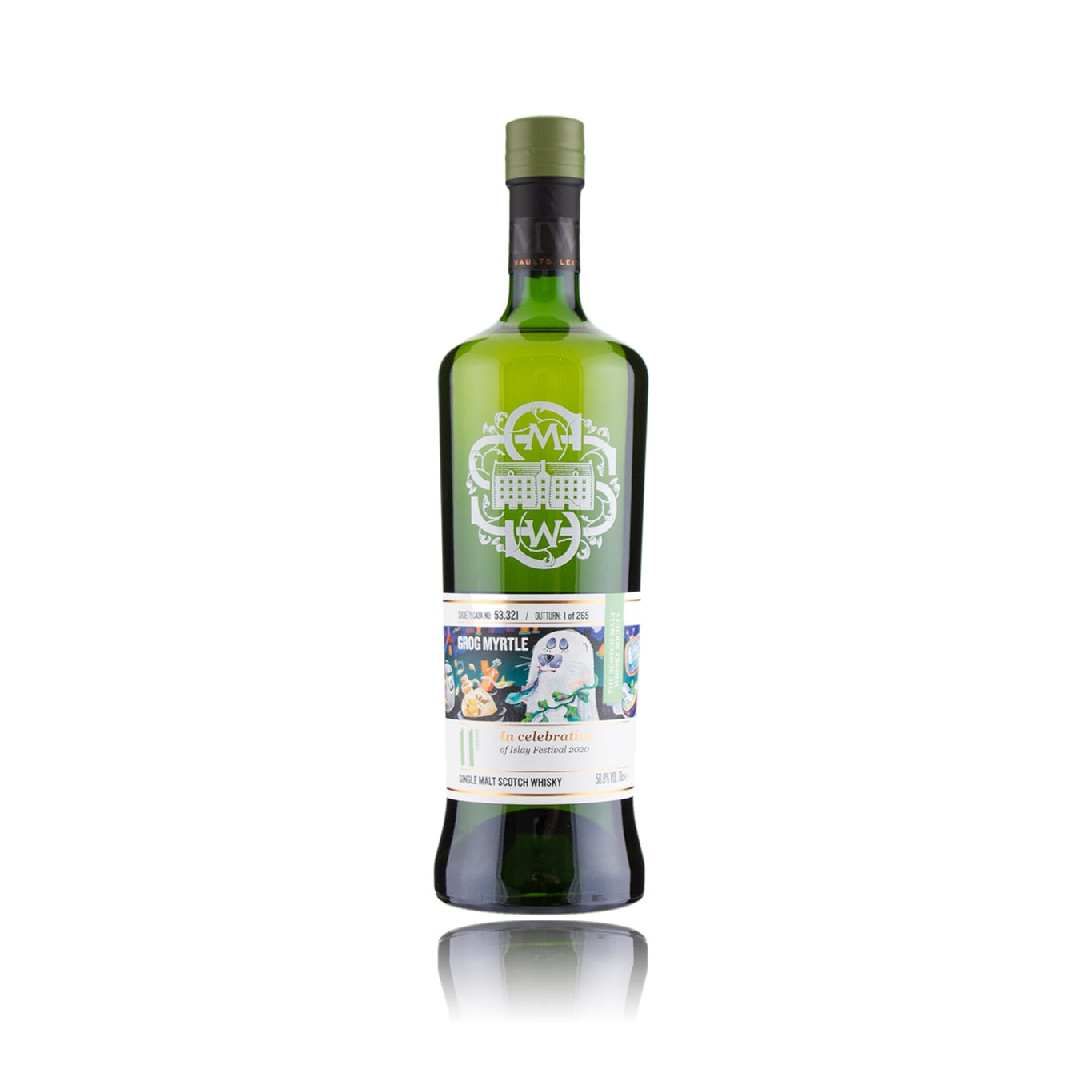
For those new to Islay whisky, starting with a lighter, less peaty option—such as Caol Ila or Bunnahabhain, can be a great introduction before exploring the more intense offerings.
Final Thoughts
It isn’t just about the smoke, it’s about tradition, craftsmanship, and the island’s indomitable spirit. Each sip tells a story of the rugged landscapes, bracing sea air, and centuries of expertise that make Islay whiskies truly unique.
Whether you’re a seasoned whisky enthusiast or a curious newcomer, exploring the world of Islay Whisky is an unforgettable journey. From the peaty powerhouses of Laphroaig and Ardbeg to the nuanced elegance of Bowmore and Bunnahabhain, there’s a dram for everyone to enjoy.
So, pour yourself a glass, savor the bold flavors, and let it transport you to the heart of Scotland’s whisky heritage. Cheers!




Recent Comments